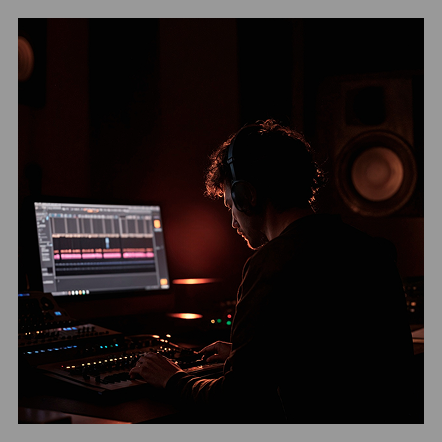

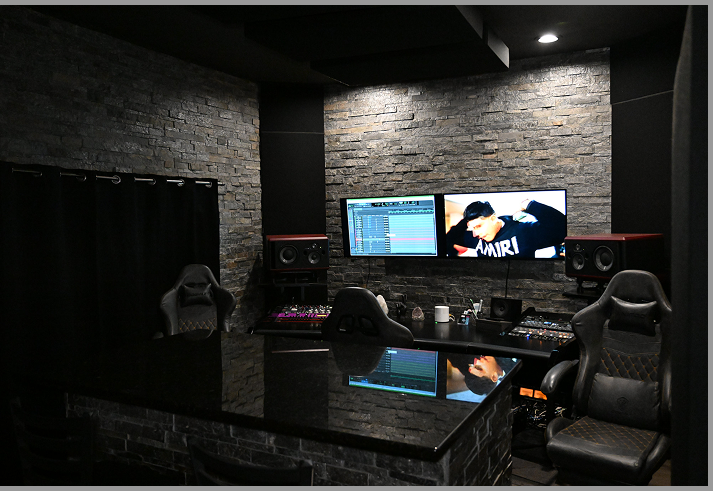
Why the space you record in affects your sound, your performance, and your final result more than most people realize.

When most artists think about recording, they focus on microphones, plugins, and software. While those tools are important, there is something even more fundamental that often gets overlooked: the room itself. Your recording environment has a huge impact on how your music sounds, how you perform, and how easy it is to turn a good idea into a great final track. In many cases, the difference between an average recording and a professional one isn’t the gear. it’s the space.
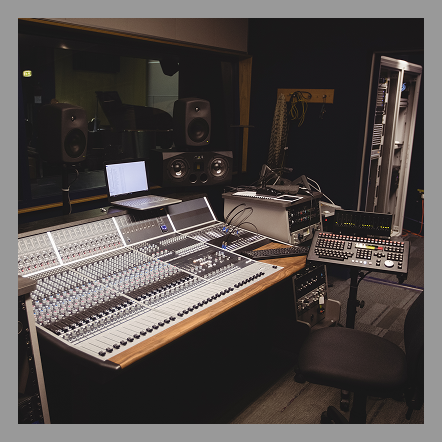
Every room has its own sound. The shape of the walls, the size of the space, the materials in the room, all of these affect how sound behaves. In untreated or poorly treated rooms, sound reflects off walls and ceilings in uncontrolled ways.
This creates problems like:
These issues get recorded into your track. Once they’re there, they’re very hard to remove completely, no matter how good your plugins are. A properly treated studio room is designed to control these reflections. The result is a cleaner, more accurate recording that gives your engineer much more freedom to shape the sound later.
Sound quality isn’t the only thing that matters. The environment also affects how you perform.
In a noisy, uncomfortable, or distracting space, it’s harder to stay focused. You might rush takes, lose confidence, or settle for performances that aren’t your best.
A good studio environment is:
When you feel comfortable and confident, your performances naturally improve.
And better performances always lead to better records.